

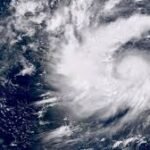

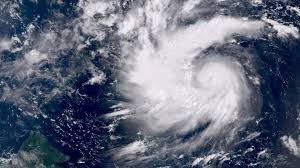
Typhoon Kalmaegi, one of Asia’s most powerful storms this year, has left large parts of the Philippines in ruins, claiming at least 114 lives and displacing hundreds of thousands. As the storm churns toward central Vietnam, authorities there are racing to evacuate coastal communities and prepare for what could be another humanitarian disaster.

Philippines Reeling from Widespread Devastation
Kalmaegi made landfall in the Philippines earlier this week, unleashing relentless rain and powerful winds that flooded entire cities and rural towns. The storm hit hard in Cebu province, home to 2.5 million people, where more than 400,000 residents have been forced to flee their homes.
Rivers of muddy water swallowed streets, swept away homes, and left a thick layer of sludge behind as floodwaters receded. Many residents say they had little warning.
“This is the worst I’ve experienced,” one rescuer told the BBC. “Even emergency teams were caught off guard by how quickly it escalated.”
President Ferdinand Marcos Jr. has declared a state of calamity, allowing the government to release emergency funds and speed up relief operations. Among the confirmed fatalities were six soldiers killed when a military helicopter crashed during a rescue mission on Mindo Island.

Stories of Survival and Loss
For survivors, the aftermath has been heartbreaking.
“We can’t even find a place to sleep,” said J-an Mo Servas, a small business owner from Mandaue City who escaped her flooding home with nothing but the clothes on her back. Many residents now face the grim task of cleaning up thick mud and debris where their homes once stood.
More than 127 people remain missing, and at least 82 others have been injured. Local officials describe the damage as “unprecedented” a level of destruction not seen in Cebu in decades.
Vietnam on High Alert
As Kalmaegi moves westward, it’s gaining strength. Vietnam’s meteorological agency warns of waves as high as eight meters along coastal areas. Six airports have suspended operations, more than 50 flights have been canceled, and thousands of families are being urged to evacuate.
Deputy Prime Minister Tran Hong Ha called Kalmaegi a “very abnormal storm” and urged local officials to take every precaution. With many parts of Vietnam already struggling from recent floods, the storm threatens to worsen an already dire situation. Emergency shelters are being readied, and rescue units are on standby.
Another Storm Looms for the Philippines
Even as recovery begins, the Philippines faces another looming threat—Tropical Storm Uwan—which could hit within days and affect up to ten regions. The back-to-back storms have sparked public anger over inadequate flood control systems and poor disaster preparedness, with many demanding stronger infrastructure and faster early-warning systems.
Climate Change Intensifies the Danger
Kalmaegi is the 20th tropical cyclone to hit the Philippines this year alone, a stark reminder of how climate change is intensifying weather extremes across Southeast Asia. It follows closely on the heels of Super Typhoon Ragasa (Nando) and Typhoon Bualoi (Opong), both of which caused severe damage and loss of life in recent months.
Experts warn that rising sea temperatures are fueling stronger and more unpredictable typhoons, putting millions at greater risk each year.
The Long Road to Recovery
For the countless families who’ve lost homes, loved ones, and livelihoods, recovery will be a long and difficult journey. Aid groups, volunteers, and government teams are working around the clock to deliver food, water, and medical assistance—but with another storm on the horizon, their efforts are stretched thin.
As the Philippines and Vietnam brace for what lies ahead, Typhoon Kalmaegi stands as another urgent reminder of the region’s growing vulnerability—and the need for stronger climate resilience in the years to come.

More Stories